Horticulture Trends for Modern Landscapes
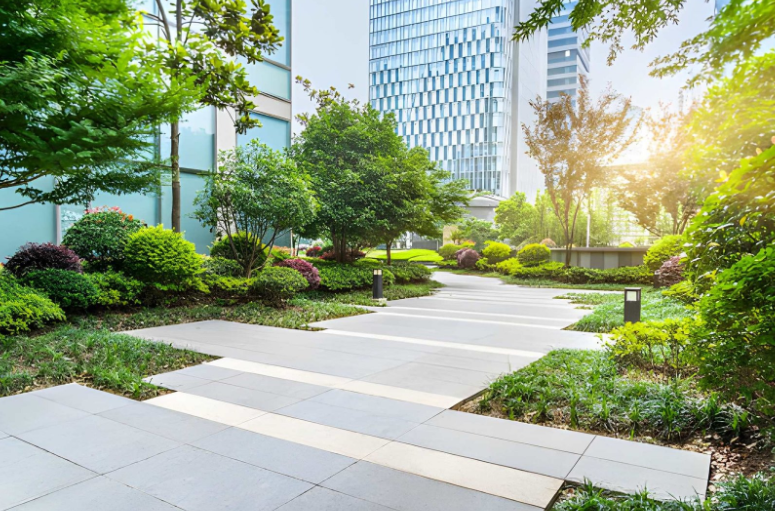
Modern landscapes are evolving quickly as homeowners, designers, municipalities, and businesses look for outdoor spaces that are beautiful, functional, and environmentally responsible. Today’s horticulture trends focus on sustainability, biodiversity, low-maintenance design, and the smart use of technology. Whether you are planning a residential garden, commercial landscape, public park, or urban green space, understanding the latest horticulture trends can help you create a landscape that is both contemporary and resilient.
Sustainable Landscaping Takes Center Stage
One of the most important horticulture trends for modern landscapes is sustainability. As climate concerns grow, landscape designers are moving away from high-maintenance lawns Ga6789 com and resource-heavy gardens. Instead, they are choosing plants and design methods that reduce water use, limit chemical inputs, and support long-term ecological health.
Sustainable landscaping often includes composting, organic soil improvement, rainwater harvesting, and efficient irrigation systems. Designers are also selecting plants that thrive naturally in local conditions, reducing the need for excessive watering, fertilizers, and pesticides. This approach creates landscapes that are easier to maintain and better for the environment.
Native Plants and Biodiversity
Native plants are a major trend in modern horticulture. These plants are adapted to the local climate, soil, and wildlife, making them ideal for sustainable landscapes. Unlike many ornamental imports, native plants often require less water and care once established.
Using native species also supports biodiversity. Pollinators such as bees, butterflies, and hummingbirds rely on native flowers for nectar and habitat. Birds and beneficial insects benefit from native shrubs, grasses, and trees. By incorporating native plants into modern landscape design, property owners can create beautiful spaces that also contribute to local ecosystems.
Popular choices often include native grasses, flowering perennials, drought-tolerant shrubs, and regionally appropriate trees. The result is a natural-looking landscape that changes with the seasons and provides year-round interest.
Water-Wise Gardens and Drought-Tolerant Design
Water conservation is another key focus in modern horticulture. In many regions, drought and water restrictions have made traditional lawns less practical. As a result, drought-tolerant landscaping, also known as xeriscaping, is becoming increasingly popular.
Water-wise gardens use plants that can survive with minimal irrigation. These may include succulents, ornamental grasses, lavender, sage, yarrow, and other hardy species. Mulch is commonly used to retain soil moisture and reduce weeds. Drip irrigation systems are also preferred because they deliver water directly to plant roots with minimal waste.
Drought-tolerant design does not mean sacrificing beauty. Modern water-wise landscapes often feature bold textures, colorful foliage, architectural plants, decorative gravel, and natural stone. These elements create a clean, stylish appearance while supporting responsible water use.
Edible Landscaping for Functional Beauty
Edible landscaping is a growing horticulture trend that blends ornamental design with food production. Instead of separating vegetable gardens from decorative areas, modern landscapes often integrate fruits, herbs, and vegetables into the overall design.
Raised garden beds, espaliered fruit trees, berry shrubs, and herb borders can add both beauty and productivity to outdoor spaces. Edible plants such as kale, Swiss chard, rosemary, basil, blueberries, and dwarf citrus trees provide color, texture, fragrance, and harvestable crops.
This trend is especially popular among homeowners who want healthier lifestyles, fresher food, and a stronger connection to nature. Edible landscaping also works well in small spaces, including patios, balconies, courtyards, and rooftop gardens.
Smart Technology in Landscape Management
Technology is transforming horticulture and modern landscape maintenance. Smart irrigation systems, soil moisture sensors, automated lighting, and app-controlled garden tools are making it easier to manage outdoor spaces efficiently.
Smart irrigation controllers can adjust watering schedules based on weather conditions, rainfall, temperature, and soil moisture. This helps prevent overwatering and reduces utility costs. Landscape lighting systems can be programmed for energy efficiency, safety, and visual appeal.
For commercial landscapes and larger properties, technology can also support plant health monitoring and maintenance planning. These tools allow property managers and landscape professionals to make data-driven decisions, saving time and resources while improving plant performance.
Outdoor Living Spaces and Garden Comfort
Modern landscapes are no longer viewed as simple yards; Nổ hũ Ga6789 they are extensions of indoor living areas. Outdoor living spaces are one of the biggest landscaping trends, combining horticulture with comfort, entertainment, and design.
Patios, pergolas, outdoor kitchens, fire pits, seating areas, and shaded retreats are being surrounded by carefully selected plants. Horticulture plays a key role in softening hardscape features, creating privacy, improving air quality, and enhancing the overall atmosphere.
Plants are used to define outdoor rooms, screen unwanted views, and provide seasonal color. Fragrant flowers, container gardens, climbing vines, and lush greenery help create relaxing and inviting outdoor environments.
Climate-Resilient Planting Strategies
As weather patterns become less predictable, climate-resilient landscapes are gaining attention. Modern horticulture emphasizes plants that can tolerate heat, drought, heavy rain, wind, and shifting seasonal conditions.
Resilient planting strategies include using diverse plant palettes rather than relying on a single species. Diversity reduces the risk of widespread plant loss from pests, disease, or extreme weather. Deep-rooted plants, hardy perennials, and adaptable trees are especially valuable in climate-conscious landscape design.
Soil health is also essential. Healthy soil improves drainage, stores moisture, supports beneficial microorganisms, and helps plants withstand stress. Adding compost, reducing soil compaction, and using organic mulch are simple but powerful practices.
Minimalist and Low-Maintenance Garden Design
Clean lines, simple plant palettes, and low-maintenance layouts are highly desirable in modern landscapes. Many property owners want outdoor spaces that look polished without requiring constant upkeep.
Minimalist garden design often uses repetition, structured planting, evergreen shrubs, ornamental grasses, and architectural plants. Gravel paths, stone borders, and raised planters provide organization and visual clarity. These landscapes are especially effective for contemporary homes and commercial properties.
Low-maintenance does not mean lifeless. By choosing the right plants and materials, designers can create landscapes that offer movement, texture, color, and seasonal interest with minimal pruning, watering, or fertilizing.
Pollinator-Friendly Landscapes
Pollinator gardens are now a central feature in many modern landscapes. With concerns about declining bee and butterfly populations, more people are planting flowers and habitat areas that support pollinators.
A pollinator-friendly landscape includes nectar-rich flowers, host plants, pesticide-free maintenance, and blooms across multiple seasons. Plants such as milkweed, coneflower, salvia, bee balm, and native wildflowers are excellent options in many regions.
These gardens are not only beneficial for wildlife but also visually appealing. They bring movement, color, and life into the landscape, making outdoor spaces more dynamic and engaging.
Conclusion: The Future of Modern Horticulture
Horticulture trends for modern landscapes reflect a shift toward sustainability, resilience, and purposeful design. Native plants, water-wise gardens, edible landscapes, smart technology, and pollinator-friendly planting are shaping the future of outdoor spaces.
By combining ecological awareness with modern aesthetics, today’s landscapes can be beautiful, practical, and environmentally responsible. Whether you are updating a backyard, designing a commercial property, or planning a public green space, these horticulture trends offer smart solutions for creating landscapes that thrive now and in the future.